

In 2025, land disputes in Nigeria remain a significant challenge, with a 20% rise in cases reported, especially in high-demand areas such as Lagos and Ogun states. Many disputes arise from issues like double-selling, fake Certificates of Occupancy (C of O), and conflicts between customary and statutory land systems. To tackle these, the Federal Government has introduced digital verification tools, including fraud portals and electronic document management systems, which have reduced risks and dispute resolution time by about 30-50%.
Legal experts emphasize the importance of securing valid title documents, engaging licensed surveyors for boundary clarity, and resorting first to Alternative Dispute Resolution (ADR) methods such as mediation and arbitration before going to court. Courts remain the ultimate avenue for unresolved complex disputes, but court backlogs may extend resolution for up to 3-5 years. There are calls to establish specialized land courts or tribunals to expedite cases and enhance enforcement against fraudulent activities like land grabbing.
Constitutionally and legislatively, the Land Use Act plays a central role, vesting land ownership in state governors as trustees and requiring gubernatorial consent for sales or lease transactions to be legally valid. However, overlapping public and private interests, as well as slow registry processes, continue to fuel conflicts. Legal reform proposals focus on amending the Land Use Act to decentralize powers, harmonize customary with statutory laws, increase digitization, and improve legal awareness among citizens.
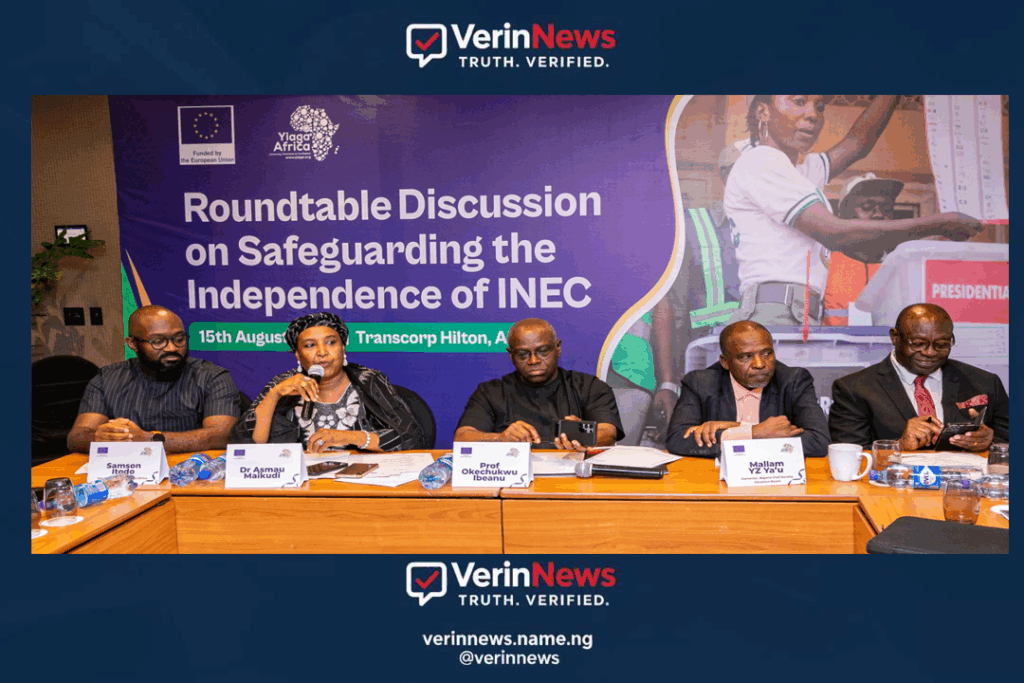
Regarding youths seeking constitutional and electoral reforms for 2027, there is a growing movement advocating for electoral system overhauls to ensure transparency, accountability, and inclusivity. Young Nigerians demand amendments to the constitution to allow more participatory democracy, strengthen electoral commissions, and reduce electoral violence. These reforms aim to empower youth participation in governance and create more equitable political opportunities in the 2027 elections.
Together, the evolving approaches to land dispute resolution combined with youth-led calls for constitutional and electoral reforms illustrate Nigeria’s active engagement with critical governance challenges aimed at fostering stability, rule of law, and inclusive development.